What information do you collect during conference registration?

When registering for a conference, the information you request consists of the fields that a participant fills out to register, and each field is only relevant if it affects the participant’s attendance, billing, accreditation, or the program.
Conference registration is rarely just a simple sign-up. It involves a fee—often an invoice, sometimes accreditation—and a program from which participants make selections. That makes it very tempting to ask for every possible piece of information. Yet every additional field adds to the cost of registration. Activo has been supporting conferences since 1997, including medical and scientific meetings.
What's needed for billing
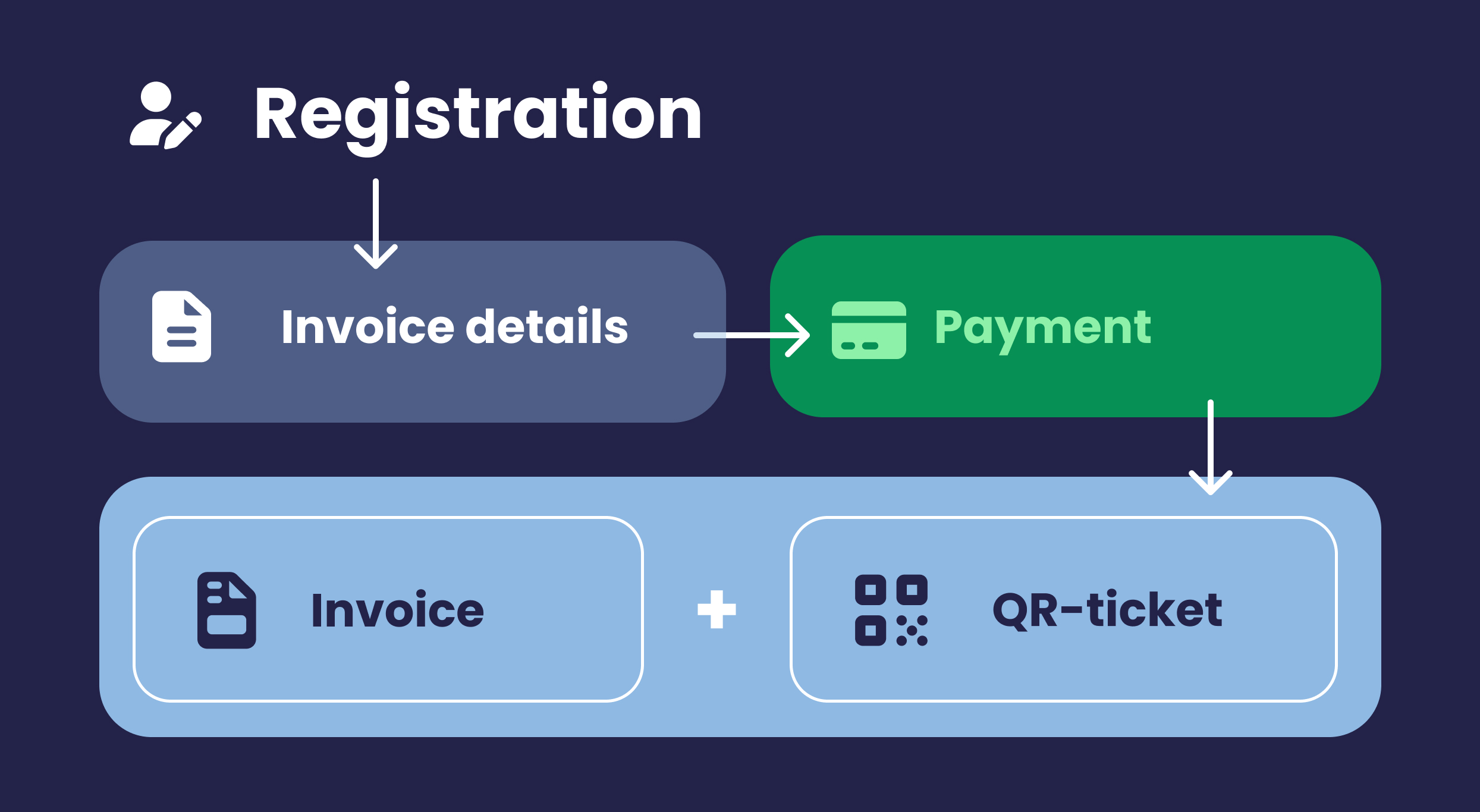
For paid registration, you’ll need billing information: organization name, billing address, and sometimes a purchase order number. This isn’t just unnecessary paperwork—it’s a requirement for invoicing. Through the online payment module, participants complete their payment and receive a PDF invoice along with their e-ticket.
If you use different rates—for example, for members, non-members, and students—the target audience determines which rate applies and what information is requested. This saves the student from having to fill out a series of fields that don't apply to them.
What's needed for the program
Session selection for parallel sessions, daily attendance for a multi-day conference, and, where relevant, the submitted abstract. For the latter, there is the abstract-review-module, through which authors submit their abstracts and the review committee evaluates them.
The Medical Conference Platform brings together registration, abstracts, accreditation, and payment. At Amsterdam UMC, this process was combined with an online poster platform and a hybrid broadcast.

What you should leave out
Fields that no one fills out afterward. An open-ended question about expectations that ends up sitting in an export file, a second phone number, a job title that doesn’t appear on the badge. The longer the form, the more registrations get abandoned halfway through.
There is also a substantive consideration: you process participants’ personal data and do so only when necessary. The platform has been designed with the GDPR in mind, in line with the privacy and security requirements of organizations such as Amsterdam UMC and the Dutch Judiciary. See also our privacy policy.
From registration to conference day
The information you request will appear on the badge, in the attendance list, and in communications. The participant receives their e-ticket, has the QR code scanned at the entrance, and receives their badge; see access control at event venues. Every scan is recorded, which provides you with an attendance list afterward that’s also useful for accreditation.
Frequently asked questions about conference registration
What information do you need for paid conference registration?
Can you set different rates for different target groups?
What is a suitable platform for a medical conference with abstracts?
How does the abstract submission process work?
Do you have an attendance list for accreditation after the event?
How is participants’ personal data handled?
Are you preparing a conference registration with fees, abstracts, or accreditation? Request a consultation, and we’ll work with you to figure out the practical details.
Schedule a short consultation