How fast check-in immediately improves the event experience
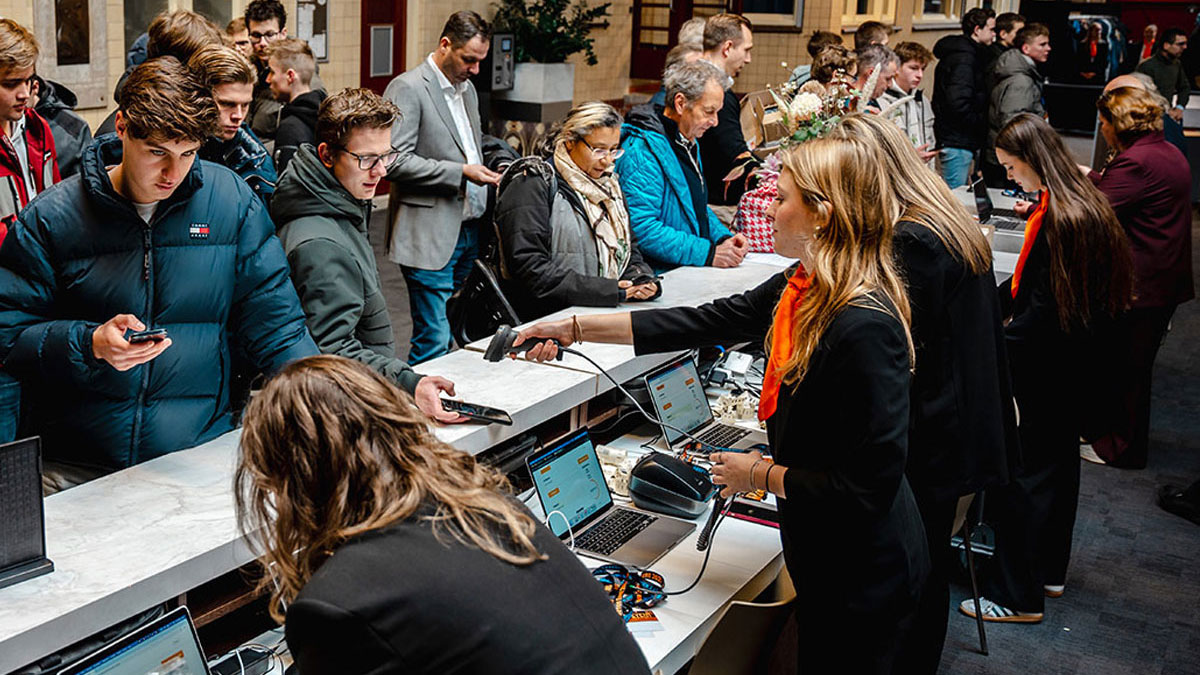
Nobody likes starting an event in a queue. Yet for many business events, the entrance remains a vulnerable moment.
The participant's first physical experience is often not the keynote, the venue or the catering, but the registration desk. That is where it becomes clear whether the event has been well prepared.
The entrance sets the tone
A participant who is checked in quickly, receives their badge immediately and can walk through without hassle experiences calm. A participant who has to wait, spell their name or is not on the list starts with irritation.
Those first minutes influence the experience more than many organisations realise.
Why queues occur
Queues often arise from the same causes: too few check-in points, manual lists, unclear e-tickets, last-minute changes or badges that still need to be found.
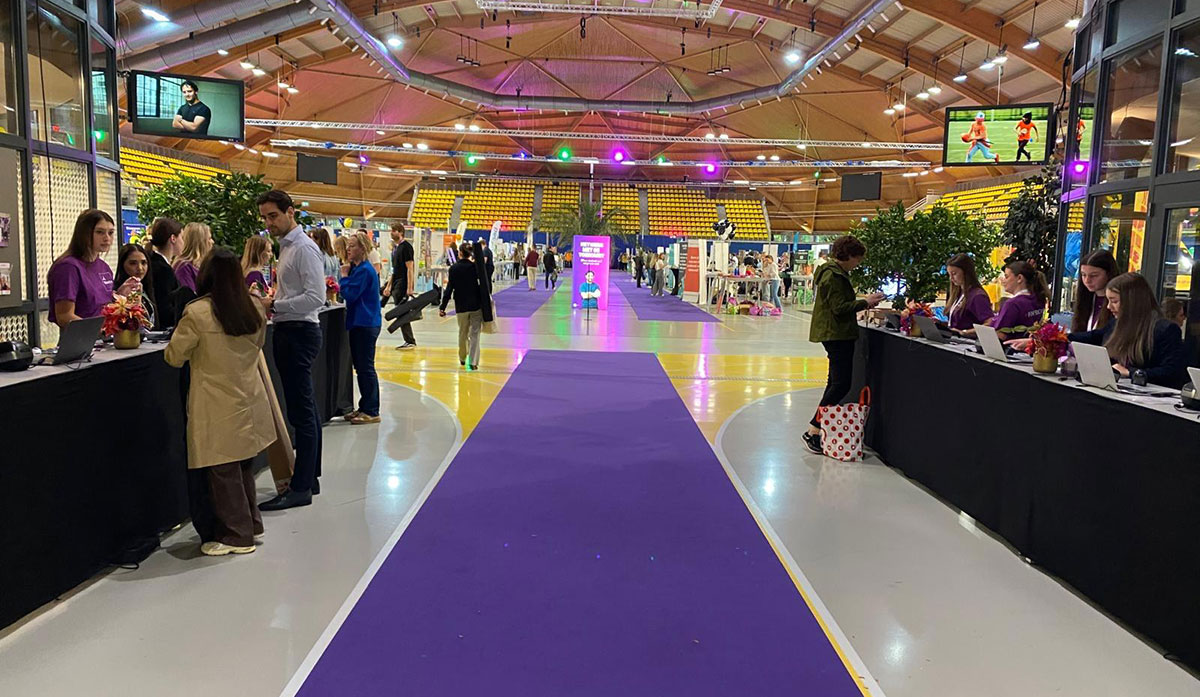
During large arrival peaks, even a small delay per participant can quickly add up. That is why check-in should be designed around peak moments, not around the average.
What modern check-in requires
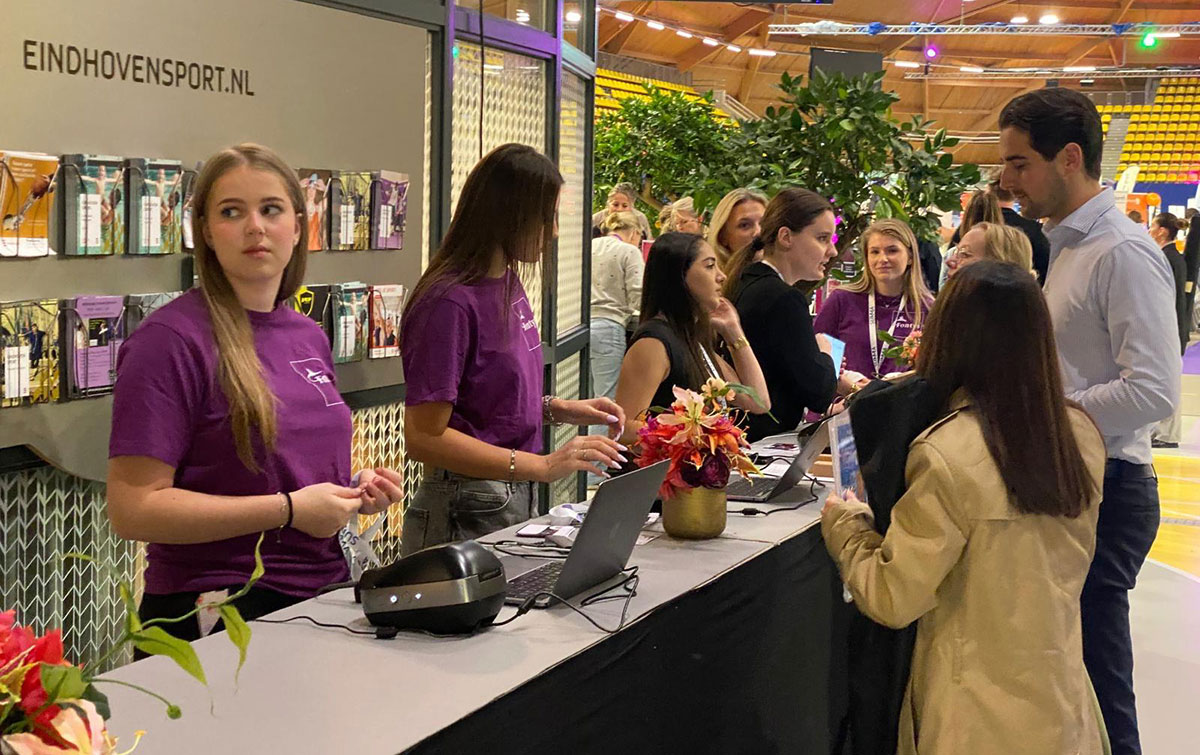
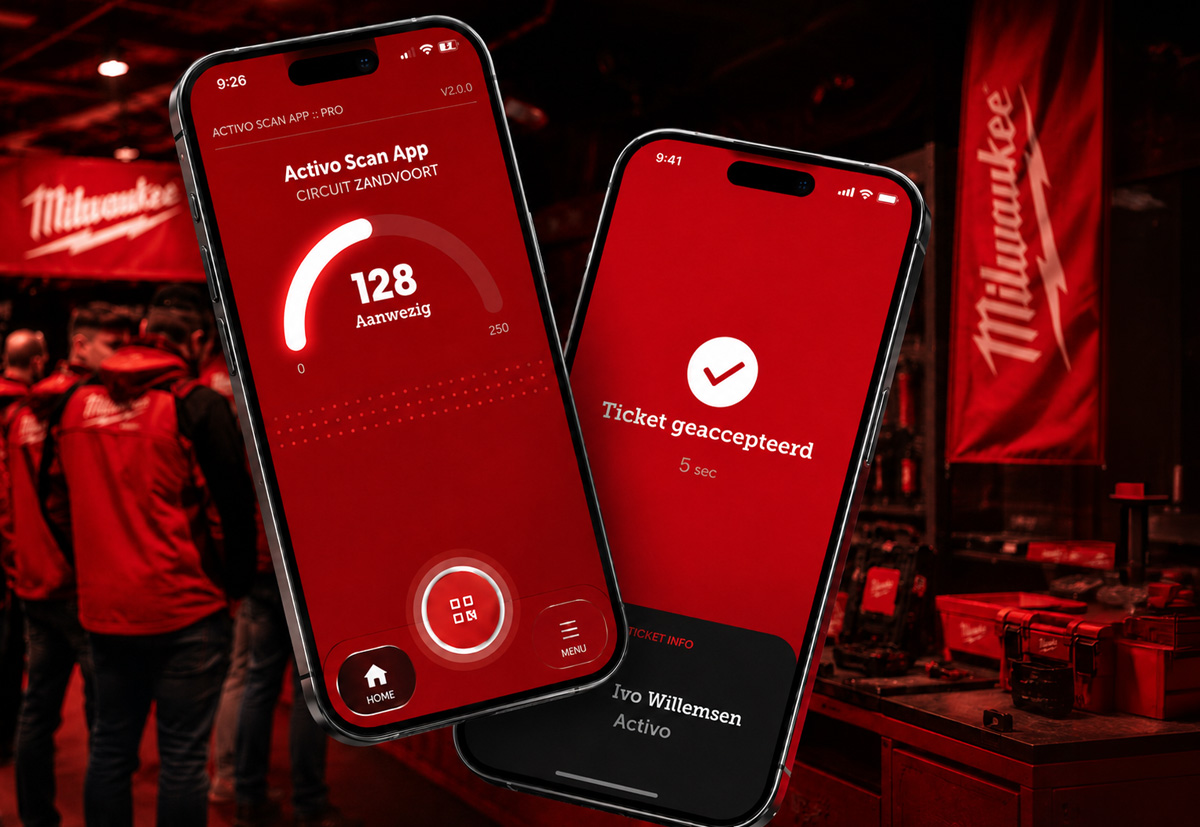
A professional welcome is more than a scanner. Think of QR codes, clear participant lists, enough scan points, badge issuing, a fallback for participants without a ticket and live insight into who has already arrived.
For event teams, that live insight is important. You can immediately see how the arrival flow is progressing and how many participants are present.
Badge issuing as part of the flow
Badges are often visible to everyone at the event. They support recognition, networking and access control. But they must also fit within the speed of check-in.
Depending on the event, you can choose pre-produced badges, on-site labels or full badge printing. The best choice depends on numbers, arrival peak and the desired appearance.
Conclusion
Fast check-in creates a better first impression, less stress for the event team and more calm throughout the rest of the programme. Organisations that take the entrance seriously improve the entire event experience.